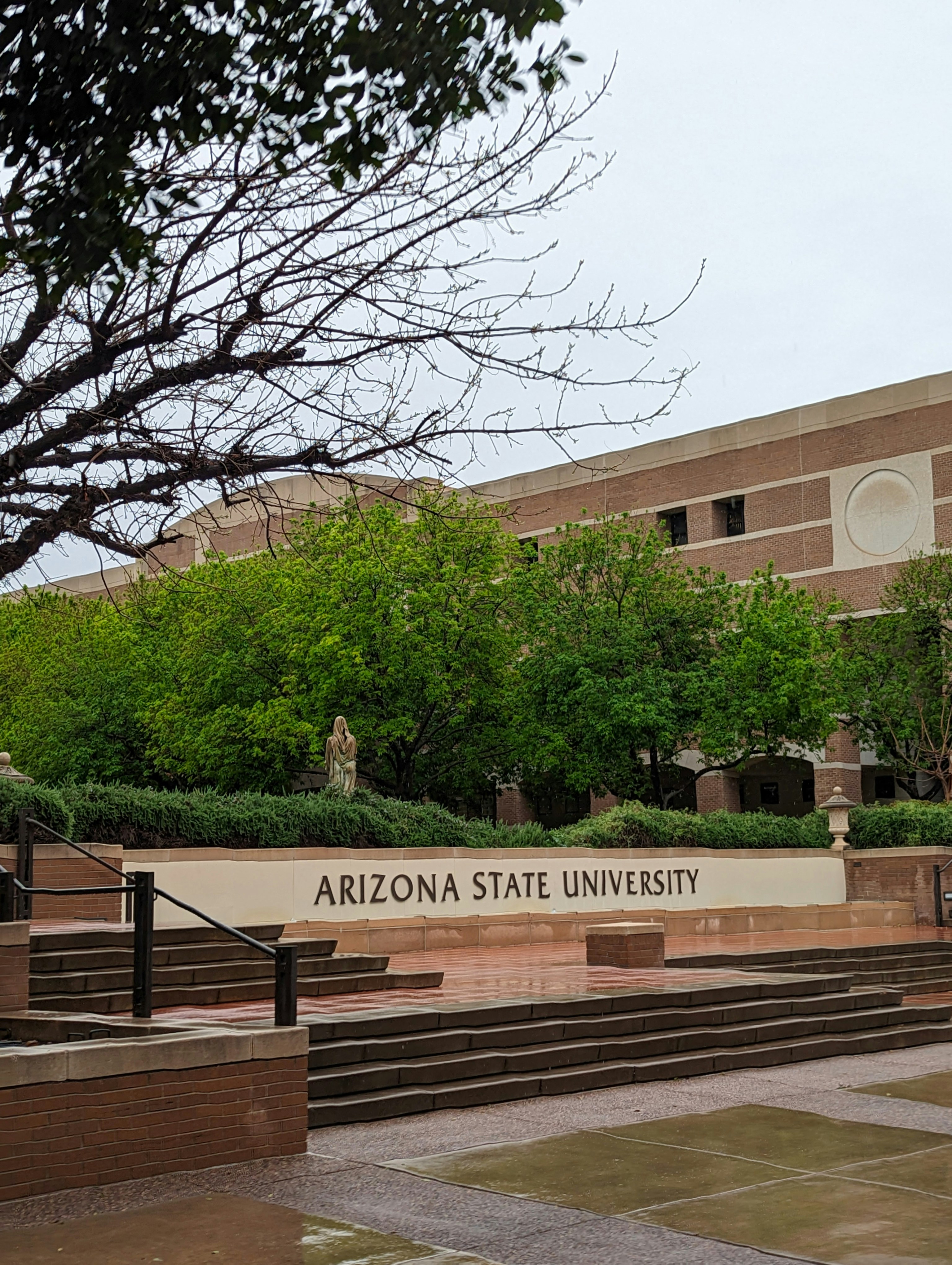
Introduction to Arizona State University Engineering Programs
Arizona State University (ASU) is regarded as a leader in the field of higher education, particularly in its commitment to engineering programs. The university’s mission emphasizes innovation, inclusivity, and sustainability, aiming to prepare students for a rapidly evolving job market. ASU’s vision focuses on fostering a diverse learning environment where students can thrive academically and personally, ensuring that they are well-equipped to address global challenges through their engineering skills.
At ASU, the engineering school offers a comprehensive array of disciplines, allowing students to choose paths that align with their interests and career goals. The programs range from traditional fields such as mechanical, civil, and electrical engineering to contemporary areas like biomedical, environmental, and aerospace engineering. Offering both undergraduate and graduate degrees, ASU provides students with the opportunity to engage in rigorous coursework that combines theoretical concepts with practical applications, thereby enhancing their problem-solving capabilities.
Engineering education from ASU holds significant value in today’s job market, as it equips graduates with critical skills that are highly sought after by employers. The engineering programs focus on cultivating not just technical expertise, but also essential workplace skills such as teamwork, communication, and ethical reasoning. The integration of hands-on experiences through laboratories and industry partnerships prepares ASU engineering graduates to enter a competitive workforce with confidence.
In summary, Arizona State University’s engineering programs stand out due to their strong emphasis on innovation and comprehensive education. By fostering a diverse array of engineering disciplines, ASU prepares its students for the challenges and opportunities that lie ahead in the engineering landscape, reinforcing its stature as a pivotal institution for aspiring engineers.
Historical Overview of ASU’s Engineering Department
The engineering department at Arizona State University (ASU) has a rich history that dates back to its establishment in 1957. Initially part of the College of Applied Arts and Sciences, this department was founded with a commitment to meet the growing demands for engineering education in the southwestern United States. The early years focused on civil and mechanical engineering, laying the groundwork for a program that would evolve significantly over the decades.
A major milestone was achieved in 1967 when ASU became a full-fledged university, which allowed for the expansion of its engineering offerings. The establishment of the College of Engineering in 1970 marked a pivotal moment, as it brought new resources and a heightened focus on engineering research and education. This transition fueled the growth of specialized disciplines, including aerospace, electrical, and materials engineering.
Throughout the 1980s and 1990s, ASU’s engineering programs began to gain national recognition, partly due to the incorporation of interdisciplinary approaches to education and research. Notably, the introduction of innovative programs catering to emerging technologies positioned ASU favorably among engineering institutions. In 1997, the school launched the School of Sustainable Engineering and the Built Environment to align with global trends towards sustainability.
The 21st century has seen ASU’s engineering department prioritize research, particularly in areas such as renewable energy, robotics, and biomedical engineering. Key partnerships with industry leaders and government agencies have facilitated significant advancements in research output, contributing to the department’s reputation as a leading educational institution. Moreover, notable faculty members have made substantial contributions to engineering fields, further enhancing the esteemed status of ASU’s engineering programs. Today, the engineering department continues to adapt to the ever-evolving needs of technology and innovation, maintaining a strong commitment to excellence and accessibility in engineering education.
Factors Impacting Engineering Rankings
The engineering rankings of universities are significantly influenced by a range of factors. Among the most critical are faculty qualifications, which encompass the education, experience, and research output of faculty members. Institutions boasting highly qualified faculty tend to perform better in engineering rankings, as their expertise directly contributes to the quality of education and research. In this regard, Arizona State University (ASU) has invested heavily in attracting and retaining top-tier faculty, enhancing its academic reputation.
Research funding is another essential factor impacting engineering rankings. Universities that secure substantial funding for research activities are better positioned to produce innovative solutions and cutting-edge technologies. At ASU, substantial investments in research facilities and initiatives foster an environment conducive to high-quality engineering research, further bolstering the university’s standing in national and international rankings.
The student-to-faculty ratio plays a key role in determining the overall educational experience offered to engineering students. A favorable ratio allows for more personalized attention and mentorship, enhancing student learning outcomes. ASU is committed to maintaining a favorable student-to-faculty ratio, which contributes positively to its engineering program. Moreover, employment rates for graduates serve as a significant indicator of program effectiveness. ASU consistently tracks graduate employment rates, ensuring that its engineering programs align with industry needs and prepare students for successful careers.
Lastly, the quality of engineering programs—reflected in accreditation, curriculum relevancy, and alumni success—significantly influences rankings. ASU’s commitment to maintaining accredited programs, coupled with a focus on integrating real-world applications into the curriculum, positions its engineering programs favorably against peer institutions. Collectively, these factors contribute to ASU’s reputation as a leading institution in the field of engineering.
Current Engineering Rankings of ASU
Arizona State University (ASU) consistently ranks among the top engineering schools, according to various esteemed sources. According to the U.S. News & World Report for 2023, ASU is positioned prominently within the top 50 engineering programs in the United States. This ranking acknowledges the university’s commitment to delivering high-quality education, groundbreaking research, and innovative learning environments.
Moreover, ASU has received notable recognition for specific engineering disciplines. For instance, its programs in Aerospace Engineering, Environmental Engineering, and Civil Engineering are particularly distinguished, often appearing within the top 30 rankings nationally. This level of excellence in engineering education is indicative of ASU’s ability to attract qualified faculty, foster research development, and support student learning with state-of-the-art facilities.
On a global scale, the QS World University Rankings for engineering and technology also recognizes ASU’s contributions to the field. In the latest rankings, ASU is consistently positioned in the top 150 universities worldwide, illustrating its international reputation for engineering education. This global standing not only helps in attracting prospective students but also facilitates collaborations with industry leaders and alumni networks.
For aspiring engineers considering ASU, these rankings serve as a testament to the university’s strength in providing an education that is both academically rigorous and relevant to current industry demands. A degree from a highly-ranked engineering program can significantly enhance career opportunities, making ASU an appealing choice for prospective students focused on their engineering ambitions.
Strengths of ASU’s Engineering Programs
Arizona State University (ASU) is renowned for its comprehensive and robust engineering programs, which boast multiple strengths contributing to the institution’s favorable standing in national and global rankings. One of the most notable aspects is ASU’s commitment to innovative research initiatives. Faculty and students collaborate on cutting-edge projects that push the boundaries of engineering and technology. The university is home to numerous research centers and laboratories, where interdisciplinary teams explore vital areas such as renewable energy, bioengineering, and artificial intelligence.
Additionally, ASU’s engineering programs are bolstered by strong industry partnerships that enhance academic learning with practical experience. Collaborations with leading corporations and local industries afford students the opportunity to engage in real-world projects, internships, and co-op experiences. This invaluable exposure not only enriches the educational experience but also makes graduates more attractive to potential employers, which further elevates the university’s prestige.
Another critical strength lies in ASU’s emphasis on experiential learning opportunities. The institution promotes hands-on learning through initiatives such as design competitions, undergraduate research, and community service projects. These experiences allow students to apply theoretical knowledge in practical settings, fostering the development of crucial skills such as teamwork, problem-solving, and critical thinking.
Moreover, ASU offers unique specializations that cater to emerging fields and address contemporary engineering challenges. Programs in areas such as cybersecurity engineering and sustainable energy engineering reflect the university’s responsiveness to industry demands and trends. By preparing students for the future of engineering with relevant education and specialized skills, ASU solidifies its reputation as a leader in the engineering education landscape.
Challenges Faced by ASU’s Engineering Department
The engineering department at Arizona State University (ASU) faces a myriad of challenges that can impede its growth and affect its overall ranking in the field of engineering education. One of the primary issues is funding. Like many public institutions, ASU grapples with fluctuating state support and federal grants. A reduction in financial resources directly impacts the department’s ability to invest in state-of-the-art facilities, research projects, and faculty salaries, which are essential for attracting top-tier talent.
Another significant challenge is the intense competition from other universities. Major institutions with established engineering programs, such as the Massachusetts Institute of Technology (MIT) and Stanford University, continually raise the bar in research funding and academic excellence. This competition necessitates that ASU not only maintain but also enhance the quality of its programs to prevent any potential decline in rankings.
Maintaining program quality is multifaceted and involves continuous evaluation and enhancement of the curriculum to meet the evolving demands of the engineering industry. As technology advances rapidly, it is crucial for ASU’s engineering programs to keep up with the latest innovations to prepare students adequately for the workforce. Failing to adapt can lead to a skills gap, which might demotivate prospective students, ultimately affecting enrollment and the university’s reputation.
Lastly, adapting to industry changes poses another hurdle. The engineering landscape is influenced by shifts in technology, sustainability practices, and economic factors, necessitating that the department be agile and responsive. The capacity to provide relevant education that meets industry standards influences how employers perceive ASU graduates, thus impacting the department’s ranking in engineering education.
Student Experiences and Outcomes
Arizona State University (ASU) offers a comprehensive engineering program that provides students with a wealth of opportunities to enhance their educational experience. One of the cornerstones of ASU’s engineering curriculum is the emphasis on practical applications through internships and co-op programs. These opportunities allow students to gain hands-on experience, connecting theoretical concepts learned in the classroom with real-world engineering practices. According to the university, a significant percentage of engineering graduates secure internships before finishing their degrees, contributing to high employability rates after graduation.
ASU facilitates relationships between students and industry through various sponsored programs and partnerships. Students have access to exclusive job fairs, which feature prominent engineering firms eager to recruit ASU graduates. Additionally, the university boasts robust faculty mentorship programs, where experienced professors and industry professionals guide students on their academic and career pathways. This close mentorship often leads to networking opportunities, which are invaluable in today’s competitive job market.
Student organizations also play an essential role in shaping the experiences of engineering students at ASU. These organizations, ranging from the American Society of Civil Engineers to robotics clubs, provide platforms for students to both develop their skills and engage with peers who share their interests. Participation in these groups fosters community among students and helps to build teamwork skills that are vital in the engineering profession.
As for employment outcomes, studies indicate that ASU engineering graduates have high job placement rates within months of graduation. Alumni testimonials frequently cite the university’s commitment to experiential learning as a key factor in their success. With strong support systems in place and a vibrant student community, ASU’s engineering program not only prepares students for the workforce but also equips them with the confidence to excel in their careers.
Future Prospects for ASU Engineering Programs
As Arizona State University (ASU) continues to draw interest for its dynamic engineering programs, the future of these offerings appears promising amidst evolving industry demands and educational advancements. The engineering field is witnessing rapid changes driven by technological innovations, sustainability needs, and workforce reconfiguration. In this context, ASU’s commitment to adapting its engineering curriculum and research initiatives positions it favorably for future growth.
One notable area of focus for ASU is the incorporation of interdisciplinary approaches to engineering education. Recognizing that real-world problems often require collaborative solutions that transcend traditional engineering boundaries, ASU is emphasizing programs that integrate engineering with fields such as environmental science, business, and health sciences. This holistic educational strategy aims to equip students not just with engineering skills, but also with the ability to tackle complex societal challenges.
Moreover, ASU is investing in enhancing the quality of its engineering programs through initiatives that promote experiential learning. Partnerships with industry leaders will play a critical role in this development, allowing students to engage in internships, co-op programs, and hands-on projects that bolster their practical skills. Such collaborations will ensure that ASU graduates are well-prepared for the modern workforce, which increasingly values experience and adaptability.
In light of the trends toward remote work and digital collaboration, ASU is also focusing on integrating technology into the learning experience. Online and hybrid models are being developed to make engineering education more accessible while maintaining high academic standards. By preparing students for future work environments that are likely to be more flexible and technology-driven, ASU is setting a precedent in engineering education.
Ultimately, ASU’s proactive response to industry trends, its focus on interdisciplinary learning, and its investments in technology and partnerships will likely shape the future trajectory of its engineering programs, ensuring they remain relevant and valuable in a rapidly changing landscape.
Conclusion
In summary, Arizona State University (ASU) has established itself as a credible institution in the field of engineering, as evidenced by its competitive engineering ranking. This ranking plays a pivotal role in attracting prospective students who prioritize educational quality, institutional reputation, and future career opportunities. The emphasis placed on these rankings allows students to assess the caliber of programs offered at ASU, ensuring they align with their academic and professional aspirations.
Throughout the article, we have explored the various factors contributing to ASU’s notable position in engineering, including faculty qualifications, research output, student satisfaction, and industry connections. These elements not only enhance the university’s reputation but also underscore its commitment to advancing engineering education and research. The competitive landscape of engineering programs necessitates institutions like ASU to continually innovate and improve, ensuring students receive contemporary and relevant education.
Looking forward, the future of ASU’s engineering programs appears promising. With ongoing investments in technology and innovation, ASU is well-positioned to adapt to the evolving demands of the engineering landscape. The focus on interdisciplinary collaboration and experiential learning is expected to further bolster its engineering ranking, making it an attractive choice for prospective students.
The impact of ASU’s engineering programs on society cannot be overstated. Graduates from its engineering disciplines are likely to contribute to significant advancements in various sectors, from sustainable energy solutions to cutting-edge technology. This not only enhances the university’s standing but also plays a crucial role in addressing global challenges. ASU’s commitment to excellence in engineering education will undoubtedly influence both its graduates and the communities they serve for years to come.